Welcome
|
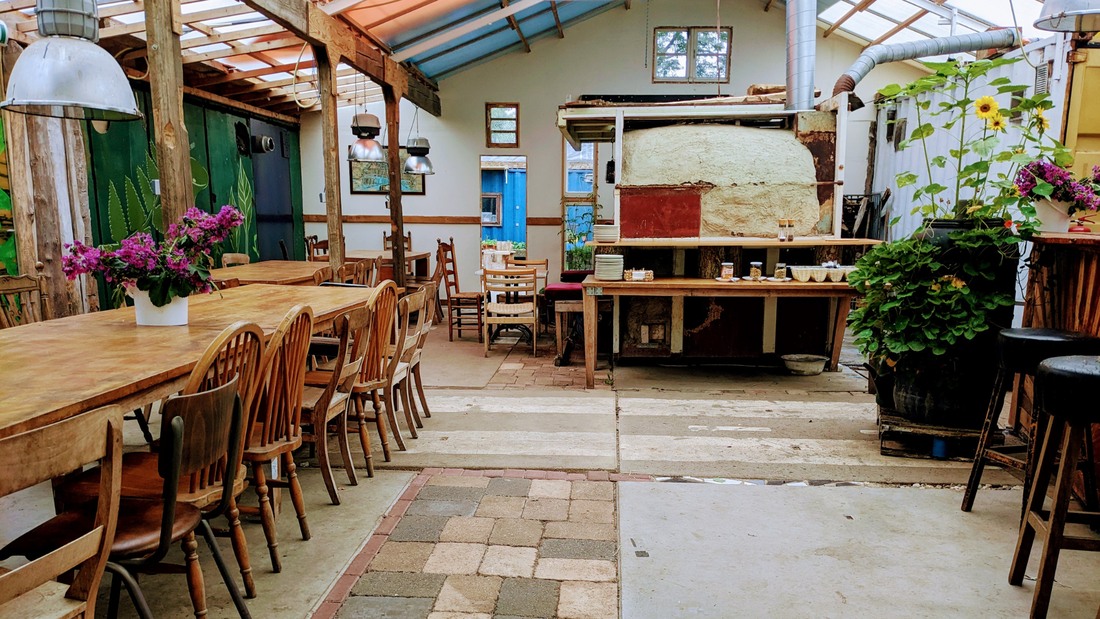
With the arrival of spring, our kitchen springs back to life, and in our greenhouse, we host a variety of food events.
From late March through October, a range of different events awaits. Our culinary focus is vegetables. Embracing the seasons, we cook with fresh, seasonal vegetables, and whenever possible, incorporate rescued vegetables and fruits. Throughout the season, you can experience our vegan brunch events on Sundays or join us for pizza nights with future friends. All upcoming events will be listed on our event calendar. |
Sustainability at Our Restaurant
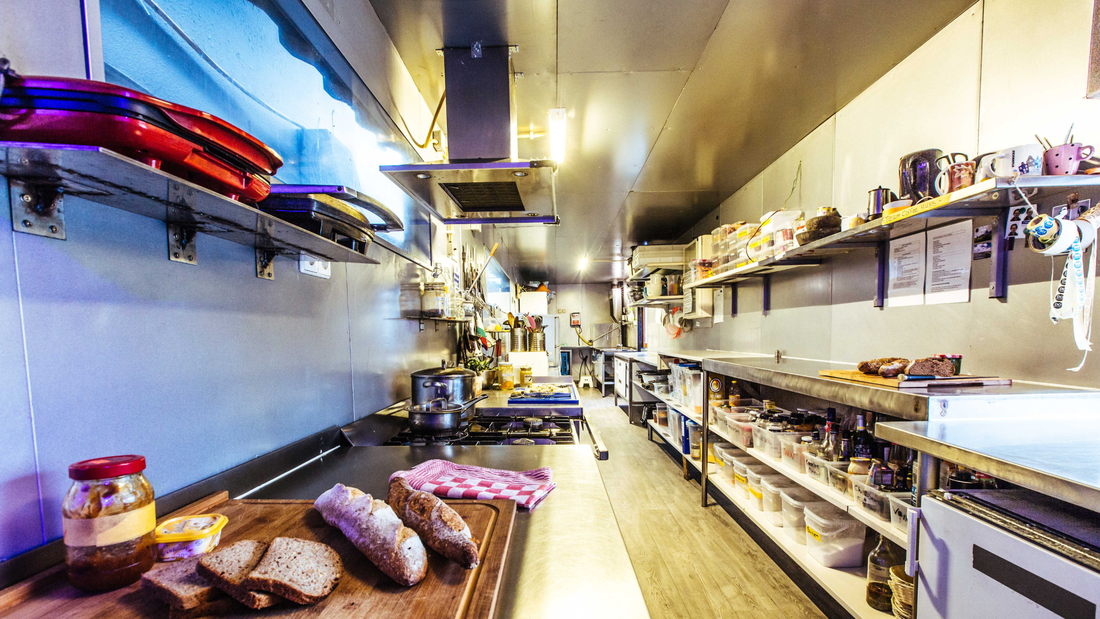
Our kitchen, located in one of our off-grid shipping containers, is about freshness and tastefullness. But it's not just about what we cook, but also how we cook it. Being off-grid means our kitchen isn't connected to electrical, water, or sewer networks. We've refurbished a shipping container using second-hand building materials, which imposes certain operational limitations. Electricity is entirely solar-powered, but we still have to use additional gas or wood for cooking, as we choose to have as little batteries as possible.
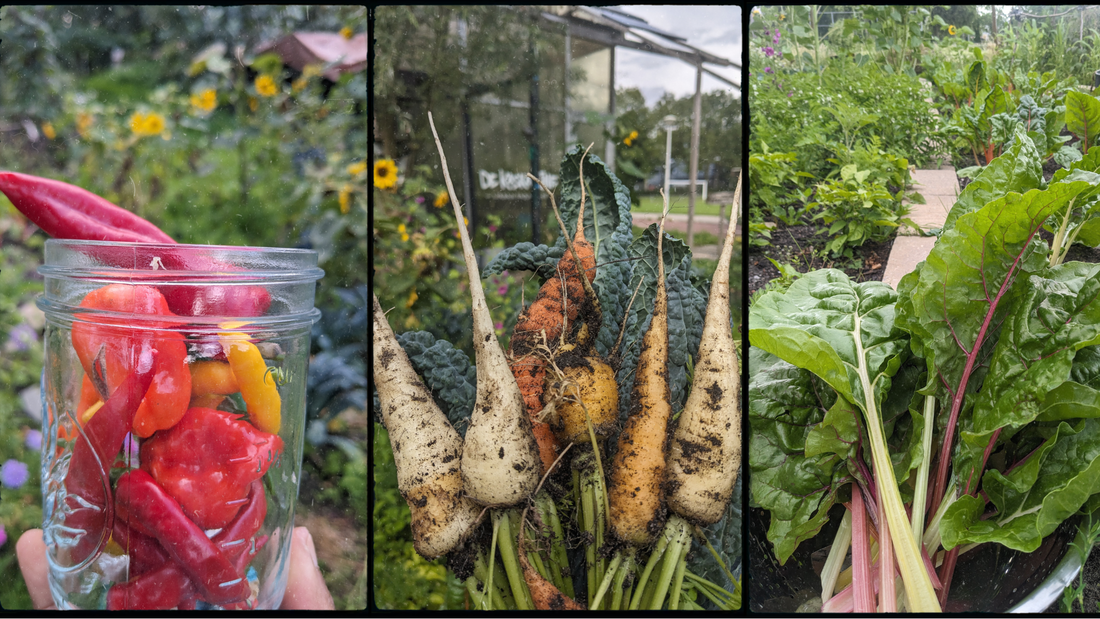
- Fresh, Homegrown Produce: While our teaching garden isn't large enough to exclusively provide our produce, we use it as often as possible. Herbs and various vegetables make a direct journey from our garden to your table.
- Seasonal Vegetables: We prefer organic products when possible. However, to make our food more accessible, we also use produce from conventional agriculture, prioritizing seasonal and locally sourced vegetables.
- Rescued Food: We incorporate rescued vegetables and fruits into our menu whenever they're available.
- Composting: Our kitchen eliminates waste by composting all vegetable peelings and coffee grounds. The compost then nourishes our garden.
Off-Grid Kitchen
Energy
Energy is essential for most kitchen activities, such as baking, heating water, and cooling. Heating requires a lot of energy. For example, baking a loaf of bread in an electric oven of 2000 watts for one hour consumes 2 kwh.
De Kaskantine's solar production has a peak capacity of 4000 watts. Additionally, our inverter and battery also have their maximum capacities. Therefore, it is essential for us to carefully schedule energy usage to coincide with the optimal solar production period.
De Kaskantine is adapting to what the local environment can offer us. Currently, we use additional gas and wood stoves since we are not yet able to fully cook with the solar panels and battery capacity we have, but we are gradually extending our power system. It's also important to note that, because we rely on solar power, our activities are limited during the winter months.
Gray water
We treat the kitchen wastewater with a helophyte filter. This filter can handle a daily maximum amount of 100- 400 water depending on the season, so we have to be very cautious about how we wash dishes and clean the kitchen.
Water
We collect rainwater, and at the moment, we can collect up to 10,000 L. We use it mostly for cleaning and watering. Drinking water, we have to carry it with us to the location. You can help us a lot by bringing your own drinking water.
Composting
We compost all our food scraps and use it for the garden.
How to find Us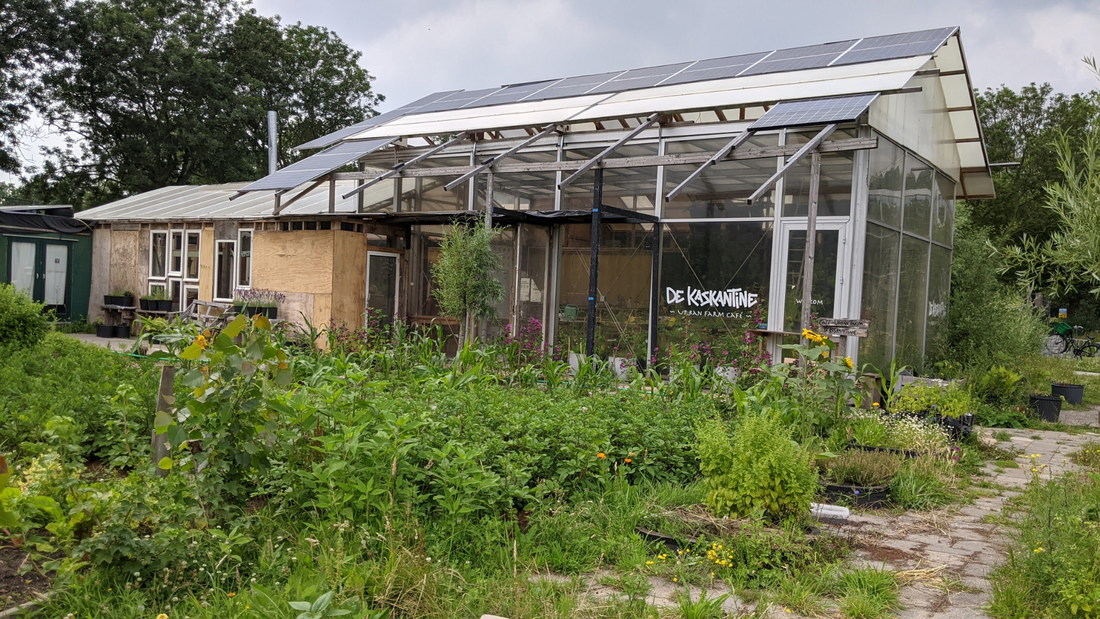
|
Contact UsContact email: info [at] kaskantine.nl
Read our Privacy policy
|
Kaskantine 2024